Why Supporting Local Agriculture Strengthens Both Chefs and Communities
Over the years, I have learned that great cooking starts long before a chef steps into the kitchen. It starts with the people who grow the ingredients, the land where those ingredients come from, and the communities that support the process.
When we talk about food, it is easy to focus only on the final product. We see the finished dish, the presentation, and the flavors that come together on the plate. But behind every meal is a much bigger story. There are farmers who spent months caring for their crops, producers who dedicated themselves to quality, and local businesses that help create a stronger food system.
As a chef, I have always believed that understanding where food comes from makes me better at what I do. It changes the way I think about ingredients and the way I approach creating dishes.
My Connection to Local Food
Growing up in Connecticut, I was surrounded by a strong sense of community. Food was always connected to people. Whether it was a family meal, a gathering with friends, or a local event, there was always a feeling that food brought people together.
Living in Lebanon, Connecticut, that connection has continued to influence how I view cooking. Being surrounded by farmland and local traditions makes it impossible to ignore the relationship between agriculture and hospitality.
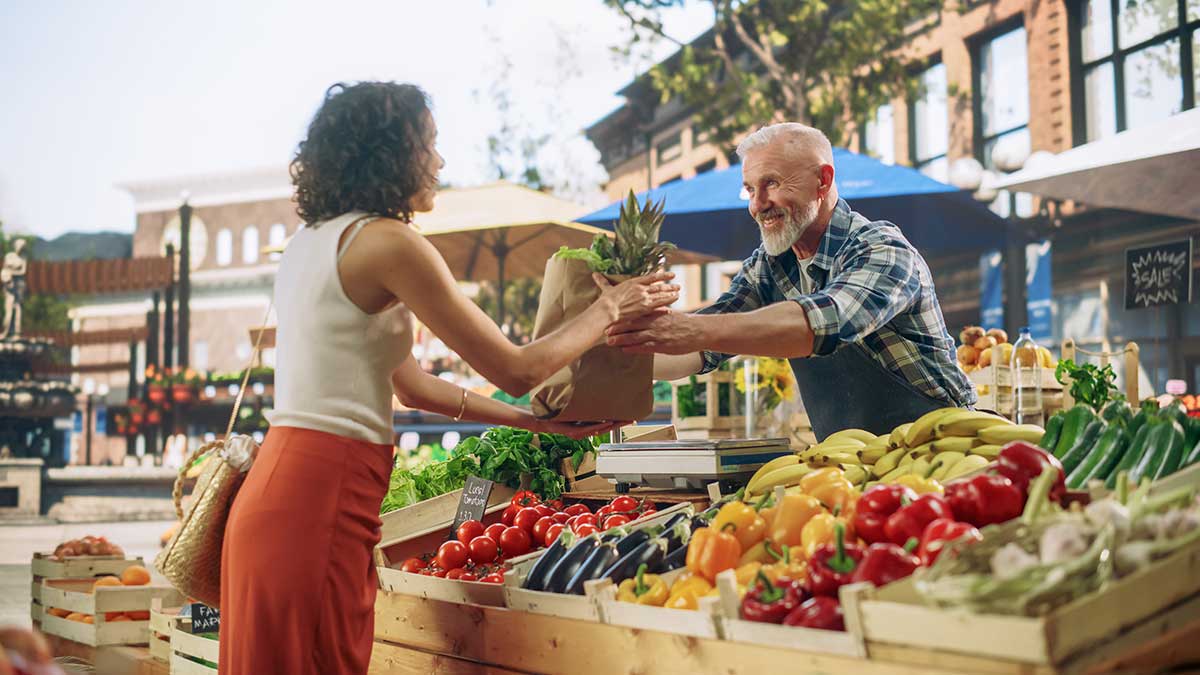
When I visit a farmers market or speak with local producers, I am reminded that ingredients are not just products. They represent someone’s work, knowledge, and dedication.
A tomato from a local farm is not just a tomato. It represents the person who planted it, cared for it, and made decisions about how to grow it. When chefs understand that process, it creates a deeper appreciation for what we are using in the kitchen.
Why Local Ingredients Matter in the Kitchen
There is a noticeable difference when you work with ingredients that are fresh and carefully grown. The quality speaks for itself.
Fresh seasonal produce often requires less effort because the ingredient already has character. A perfectly ripe vegetable, a locally sourced product, or an ingredient harvested at the right time can completely change how a dish comes together.
That does not mean every ingredient must come from a local source or that chefs should ignore other options. There are times when certain products are unavailable locally, and chefs have to make practical decisions. Cost, availability, consistency, and customer expectations all play a role.
Cooking is about finding the right balance.
A chef has to respect the vision of a dish while also understanding the realities of running a kitchen. Sometimes the ideal ingredient is not available, or it may not make financial sense for a menu. Those decisions are part of the job.
The important thing is maintaining respect for the ingredients and making thoughtful choices whenever possible.
Building Relationships Beyond the Kitchen
One of the things I appreciate most about working with local producers is the relationship that develops over time.
A supplier is not just someone delivering ingredients. They become a partner. They understand what chefs are looking for, and chefs learn more about the challenges producers face.
Those conversations can influence how I approach menus. A farmer might introduce me to an ingredient I have not worked with before, or they might explain what is growing particularly well that season. Those interactions create opportunities for creativity.
Some of the best ideas come from being curious and listening.
As chefs, we sometimes spend so much time focused on what happens inside the kitchen that we forget how much we can learn from the people outside of it.
Supporting Local Agriculture Supports Communities
Food has always been one of the strongest ways communities connect. Supporting local agriculture helps strengthen those connections by keeping resources within the community and creating relationships between producers, restaurants, and customers.
When people support local farms and businesses, they are investing in the place where they live. They are helping preserve traditions, encourage sustainability, and create opportunities for future generations.
Restaurants also have an important role in this process. A restaurant can introduce guests to local ingredients they may not otherwise experience. It can tell the story behind the food and help people appreciate the work involved.
That storytelling is part of hospitality.
A meal becomes more meaningful when people understand the journey behind it.
Looking Toward the Future of Food
The culinary world will continue to evolve. Technology, changing preferences, and new cooking techniques will shape the future of restaurants. I enjoy seeing those changes because growth is part of any profession.
At the same time, I believe the connection between chefs and local producers will remain important.
The future of food is not only about innovation. It is also about remembering the importance of quality, relationships, and community.
For me, being a chef has always been about more than preparing meals. It is about creating experiences and respecting the people and processes that make those experiences possible.
Every ingredient has a story. Every producer has a reason behind what they do. When chefs take the time to understand that, the food becomes more meaningful.
Supporting local agriculture is not just about where food comes from. It is about strengthening the communities that make those meals possible. And I believe that connection will always be at the heart of great cooking.